Visiting Split for the first time? This guide covers the best things to do in the city itself, from Diocletian's Palace and the Riva to Marjan Hill, the city beaches, and the local food you should not miss.
Diocletian's Palace
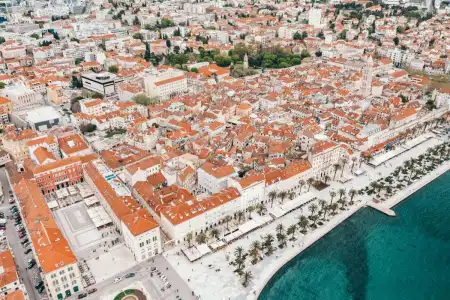
Diocletian's Palace is the heart of Split and a UNESCO World Heritage Site. Built by the Roman emperor Diocletian in the 4th century, it is not a museum but a living part of the city, full of shops, cafés, and homes.
What to See Inside the Palace
- Peristyle: the central square of the palace, surrounded by Roman columns.
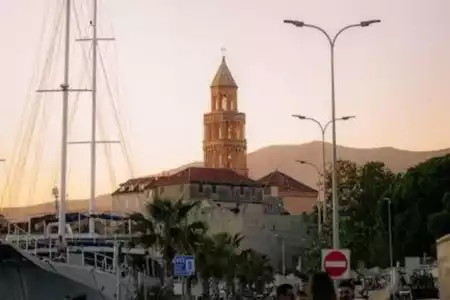
- Cathedral of St. Domnius: climb the bell tower for one of the best views over Split.
- Temple of Jupiter: a small, well-preserved Roman temple just off the Peristyle.
- Vestibule: the domed entrance hall, often filled with the sound of klapa singers.
- Substructures: the cellars below the palace, which show the original layout of the building.
Statue of Gregory of Nin
Just outside the Golden Gate stands the giant statue of Gregory of Nin, a medieval bishop who fought for the use of the Croatian language in church services. Locals and visitors rub his big toe, which is said to bring good luck.
The Riva Promenade
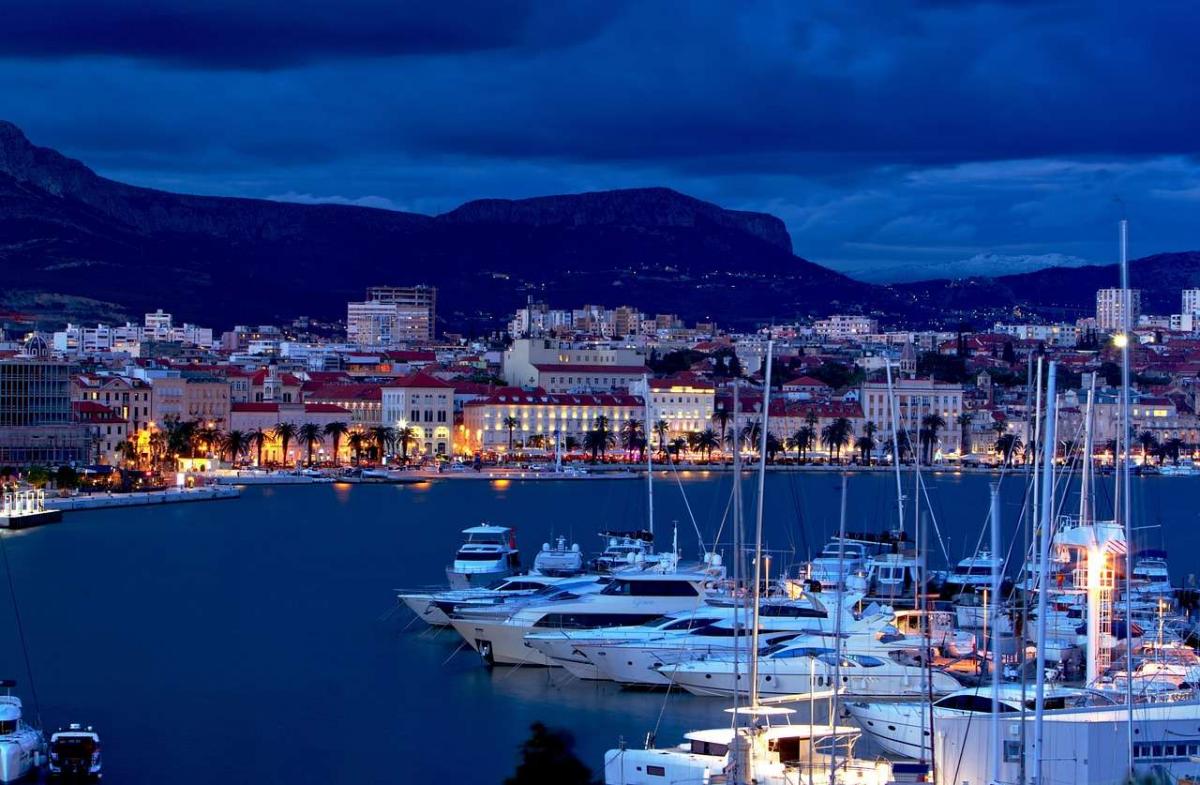
The Riva is Split's seafront promenade and the city's favourite meeting place. Spend a slow morning with coffee in the sun, watch the boats come and go, and come back in the evening when the promenade fills with people.
Marjan Hill
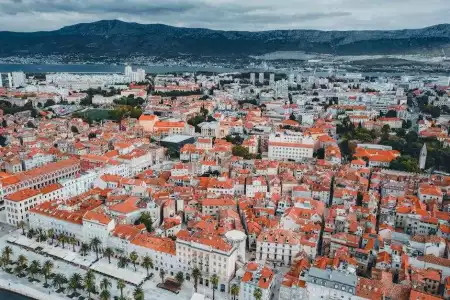
Marjan is a green, forested hill at the western end of the city. Walk or cycle its trails, visit the small old churches along the way, and enjoy wide views over Split and the islands. It is also the best escape from the summer heat.
Beaches in Split
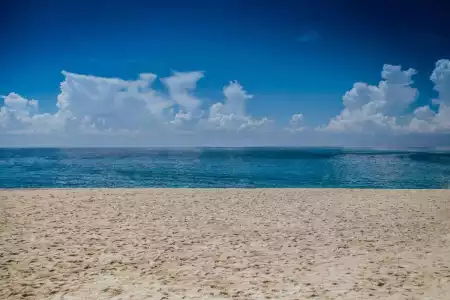
- Bačvice: the most famous city beach, sandy and shallow, and the home of picigin, a local ball game played in the shallow water.
- Kašjuni: a quieter pebble beach below Marjan Hill, with very clear water.
- Žnjan: a long, family-friendly beach east of the centre, with plenty of space and facilities.
Museums and Culture
Split has a rich museum scene, from Roman history to modern art. For the full list, read our guide to the most popular museums in Split.
Food to Try in Split
- Black risotto: risotto made with cuttlefish ink, a Dalmatian classic.
- Peka: meat or octopus slow-cooked under an iron bell with vegetables; usually ordered in advance.
- Pašticada: slow-cooked beef in a rich sauce, traditionally served with gnocchi.
- Fresh fish: grilled with olive oil and garlic, best enjoyed in a konoba near the sea.
Boat Trips and Island Hopping
Split is the main gateway to the islands of central Dalmatia. Boat tours, boat parties, and ferries leave from the city harbour every day in summer. For ideas beyond the city, see our guide to the best day trips from Split.
Practical Tips
- Explore early: the palace is quietest before 10 am in high season.
- Wear comfortable shoes: the stone streets of the old town can be slippery.
- Book peka ahead: many restaurants need a few hours' notice.
- Arriving by plane? Read our Split Airport arrival guide.
Frequently Asked Questions (FAQ)
How many days do you need in Split?+
Two to three days is enough to see the city, with extra days for island and day trips.
Is Diocletian's Palace free to visit?+
Walking through the palace is free. Some sites inside, such as the cathedral, bell tower, and cellars, charge an entrance fee.
What is the best beach in Split?+
Bačvice is the most popular, while Kašjuni is better if you prefer a quieter beach.
Is Split good for families?+
Yes. Žnjan and Bačvice have shallow water, and Marjan Hill is great for walks with children.